
Associating Smells with Familiar Tastes
Jim Beveridge, Master Blender, Johnnie Walker
 Growing up in Scotland, whisky was a big part of Jim Beveridge's culture and he generally found himself drawn to the idea of turning simple materials into a product. A few decades later, he’s got one of the coolest titles and best noses around.
On a daily basis, Jim Beveridge works in an office populated by “blenders tables,” circular tables covered in a taste-matrix used to identify specific whisky scents on the spectrum of smells. Though purely coincidental, Mr. Beveridge’s name is perfect for his profession as Johnnie Walker’s Master Blender.
What do you think you’d be doing if you weren’t doing this?
I do like the idea of turning simple materials into a product. Examples of that would be blending teas or coffee in a food environment. I would’ve liked to get involved in that sort of context in agricultural science. That idea of moving simple ingredients into products excited me, so if I wasn’t blending whisky that’s probably be what I’d be involved in.
I had the pleasure of attending Johnnie Walker’s Symphony in Blue in London, which featured Johnnie Walker Blue specifically. What makes Johnnie Walker Blue so unique?
The casks are rare compared to what we have in our stocks. The blend is made from these special casks and that’s how we achieve the flavor.
Is it painstaking to go through so many casks?
The key is understanding the different flavors that different distilleries make. We know the casks’ history and where they’ve been matured and how old they are, so with that information we have a database of our casks. Then we taste and nose to confirm the tastes.
As you mentioned, a lot of your time is spent “nosing.” I have a horrible sense of smell. Do you have any tips for improving my smelling ability?
I think most people have the ability. I’ve been lucky because I’m able to smell daily and a lot of it comes down to practice, becoming familiar and rationalizing in my mind what my senses are telling me.
I can still remember when I first nosed a whisky. I thought ‘ok, there’s a lot going on here,’ but I don’t think I understood it. I was lucky to have the time and support from others to make it possible to understand and rationalize those smells. My advice would be to have the patience to look into the flavors that your senses are showing you. There are simple hooks; does this smell remind me of something? A season? A color? A moment?
What do you find is the most common misconception about whisky by those not familiar with it?
To a complete stranger, it can be quite a powerful. The strong flavor can be overpowering and first impressions might be like that. If you can break through that, there is a lot of complexity of flavor and that’s what ultimately engages you to the liquied. There is a high alcohol content and you’ve got to break through that. Having water to take out some of the spirit-ness of flavors, or adding ice to soften it a bit, or drinking it neat with sips of water; these are all ways to unravel the flavors and overcome the barrier. You’ve got to break through that and when you do that you start to understand what whisky is all about. Don’t be put off by your first impressions. Consider it.
What was your impression of Symphony in Blue?
One of my big frustrations is how to communicate all the elements of Johnnie Walker Blue. The language gets in the way of it all. Symphony in Blue was a multi-sensory and brought all the different aspects of how you talk about whisky together. I’ve never seen it at that scale with music, visuals, dancing, tasting; that part of it was amazing.
References: johnniewalker, diageo
Featured Articles
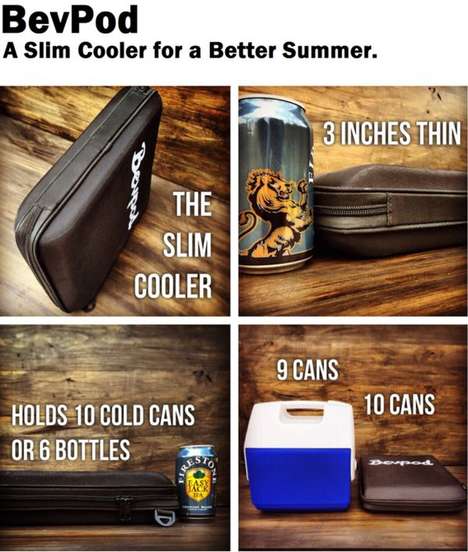
Portable Libation
Bags designed for alcohol boast a more lax cultural attitude toward drinking
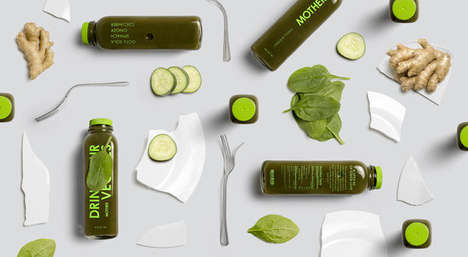
Drinkable Garden
Moving beyond health, fresh botanical ingredients take over beverages
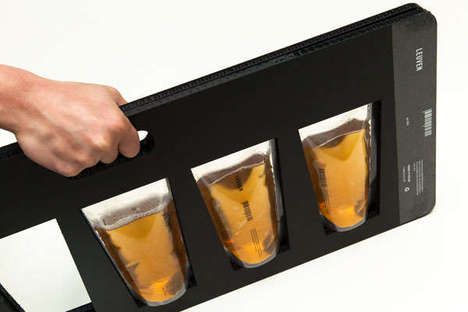
Indulgent Oddity
Eccentric alcohol labels cater to consumers looking for more compelling products
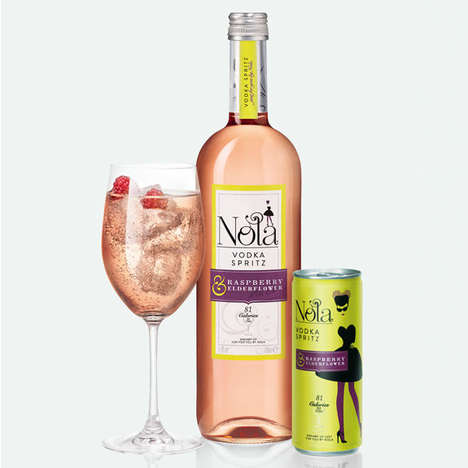
Cartable Branding
Alcohol packaging gets a portable redesign for the convenience-loving consumer
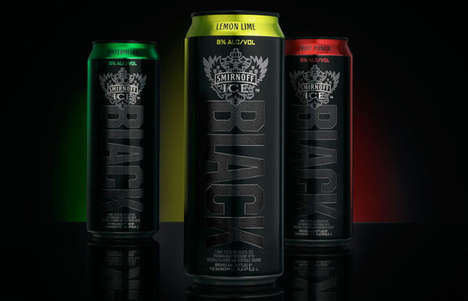
Canned Cocktail
A desire for convenience has alcoholic brands turning to more accessible packaging
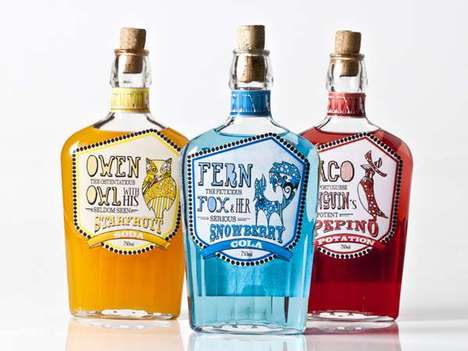
Alcoholic Imitation
Creating a mature aesthetic, soda brands adopt designs reminiscent of alcohol
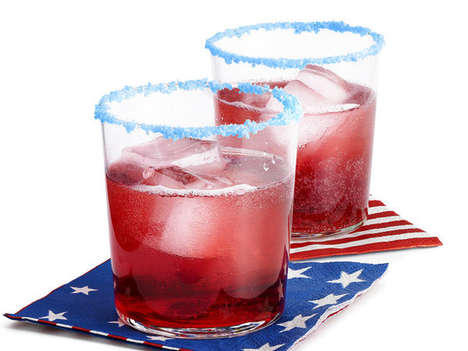
Dessert Nostalgia
Childhood treats are added to sophisticated adult snacks for nostalgic allure
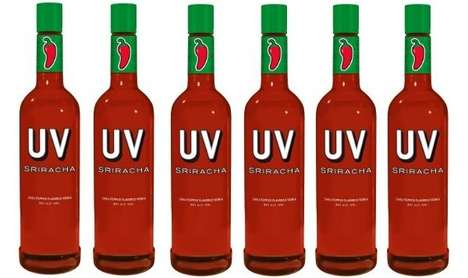
Picante Preference
A spicy twist on alcohol satisfies consumer demand for exotic flavor
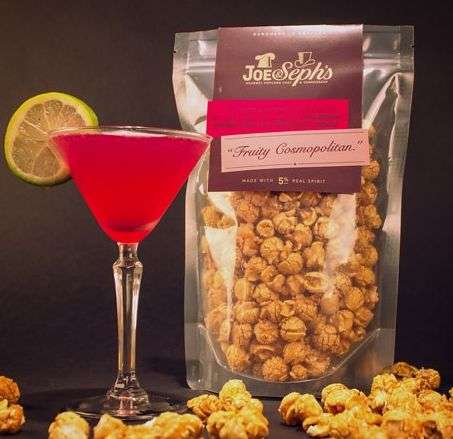
Confectionery Cocktail
Overly sweetened indulgences offers adults a link to childhood nostalgia