
Science-Driven Skincare
An Interview with Art Pellegrino, Chief Scientific Officer at RoC Skincare
Related Trend Reports
Fashion, Market, Cosmetics, Retail, Marketing, Fashion for Men, Branding, Lifestyle, Eco, Social Business Art Pellegrino is a recognized skincare research and development leader with over 30 years of experience in pioneering global product innovations in anti-aging skincare. He was instrumental in developing the first over-the-counter retinol product and continues to drive innovation with new technologies and delivery formats, including a retinol stick.
 Art began his skincare career at Johnson & Johnson and led R&D for several of their most successful skincare brands, including Clean & Clear, RoC and Aveeno. While at J&J, he developed the first commercial process stabilizing retinol – overcoming its sensitivity to oxygen and light – and gained extensive experience in Suncare, Baby and Therapeutic Skincare technology and product development.
Art joined RoC Skincare as the Chief Scientific Officer in 2019. He continues to lead the brand’s product development pipeline, including the new Hydration+ and Derm Correxion lines. Under his leadership, RoC has launched several new patent-pending technologies spanning retinol, hyaluronic acid and vitamin C , and advanced the brand’s digital innovation through the launch of its AI-powered “AI Skin Insight” virtual advisor for personalized skincare.
1. What does innovation mean to you?
Innovation refers to developing something new or significantly advancing an original concept—whether a product, technology, or process—with the goal of delivering meaningful benefits to consumers, not just technology for its own sake.
2. How do you and your team generate new ideas?
We draw inspiration from diverse sources, including direct engagement with consumers and retail partners. We also consult our Dermatologist and Plastic Surgeon Advisory Board and Longevity Council to understand the future of cosmetic procedures, wellness, and anti-aging. By combining these insights with expertise in ingredient research and formulation science, we translate trends and scientific advances into products that deliver efficacy intentionally.
3. What is the biggest challenge you face while innovating?
A primary challenge is balancing formulation creativity with scientific rigor. At RoC, we stabilize inherently unstable, potent actives while pushing formulation parameters to enable new formats and delivery systems. A key example is the Derm Correxion Firming Serum Stick, which successfully stabilizes retinol in a solid stick matrix—a first in the industry.
4. What resources does your team rely on to identify emerging trends and consumer insights?
We engage with consumers, dermatologists, plastic surgeons, retailers, academia, and biotech companies to identify trends, market gaps, new technologies, and product forms—ensuring we create compelling, clinically proven products that consumers love.
5. Dark circles are widely misunderstood. Why do you think that is, and how does your research shed light on what’s truly occurring beneath the skin?
Dark circles are complex, arising from vascular, pigmentary, structural, and inflammation-related factors that vary person to person. Unlike wrinkles, they are not linearly tied to aging. RoC’s research isolates each mechanism, enabling formulations that address all relevant pathways for visible improvement across diverse skin types.
6. How does RoC approach formulating with challenging actives like retinol and vitamin C?
Our philosophy is that less can be more and results come from the formulation as a whole, not just the active. We stabilize actives with molecular formats suited to the formulation and target area, ensuring consistent dosing and maximizing efficacy. Our patented clinical retinol delivers 7X the power of traditional retinol with improved tolerance.
7. How does science shape trust, transparency, and long-term brand credibility?
Scientific rigor and clinical validation are key to consumer trust and education. Even with fleeting trends on platforms like TikTok, consumers turn to RoC for retinol because of our 30 years of research and clinically proven efficacy.
8. How are you leveraging AI in your innovation process?
AI helps identify new approaches, technologies, and test methods, making ingredient research more efficient and supporting faster data analysis. Information still requires careful review to ensure accuracy and relevance.
9. What are some emerging technologies or discoveries that could redefine anti-aging in the next decade?
Advanced diagnostic tools, such as handheld imaging via mobile apps, can better assess skin conditions, recommend regimens, and track results in real time—essentially bringing a clinical study to the consumer’s hand.
References: shoppersdrugmart
Featured Articles
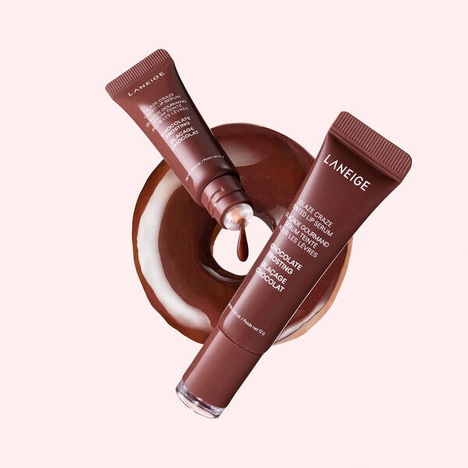
Peptide Pout
Brands are launching anti-aging lip care products with skincare-grade peptides
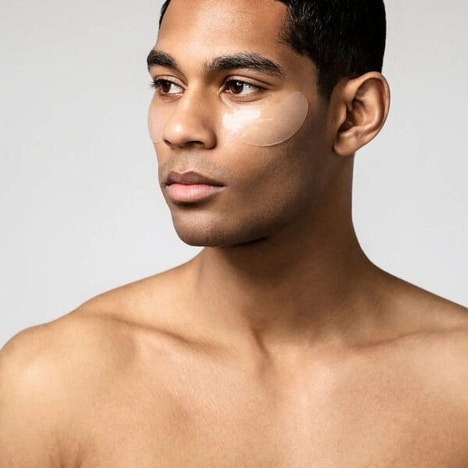
Masculine Eyecare
Skincare brands redefine self-care with eye masks tailored for men.
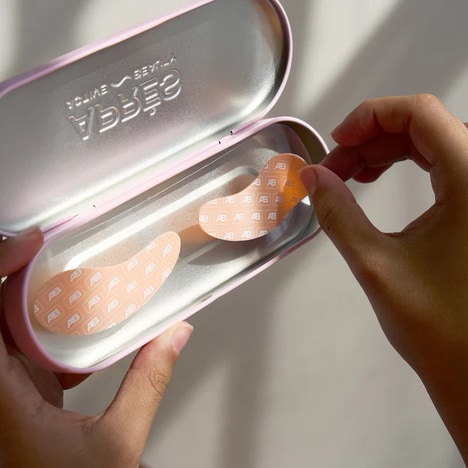
Reusable Mask
Skincare brands are releasing reusable eye masks for eco- and pricing-efficiency
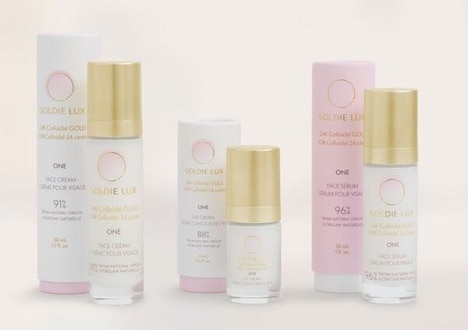
Gold Skincare
Cosmetics brands are infusing serums and oils with real gold for anti-aging effects

Melanin Serum
Beauty brands are launching serums designed for melanin-rich skin types