The Future of Celeb Beauty Brands
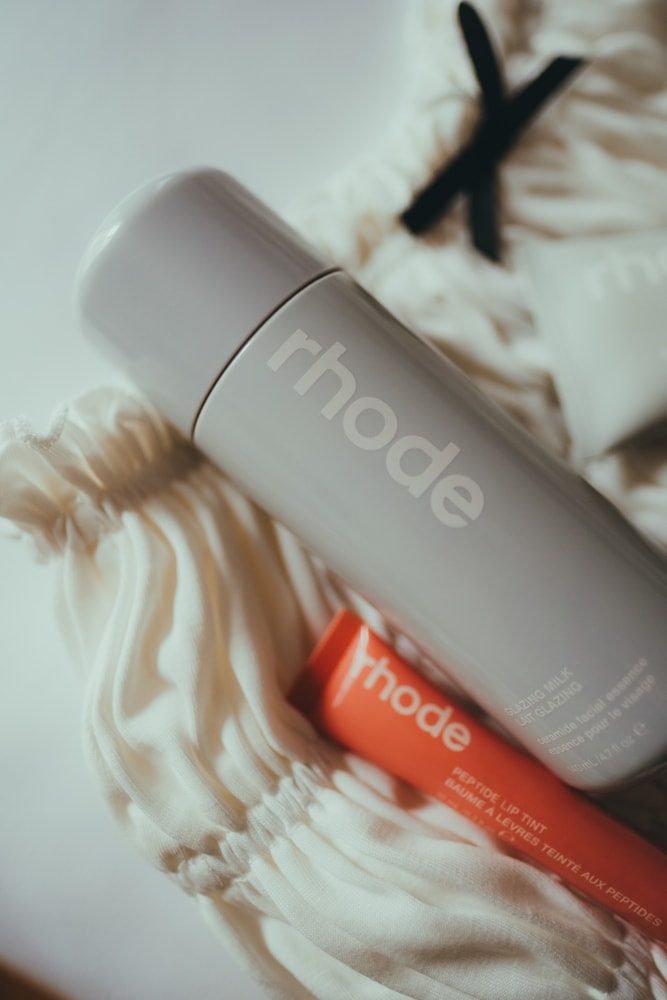
When e.l.f. Beauty acquired Hailey Bieber's Rhode for $1 billion in early 2025, the deal revealed something most brands miss: Rhode spent just 11% of its revenue on marketing and kept profit margins at 34% (Material Interest).
But the efficiency numbers only tell half the story. Yes, Hailey Bieber had celebrity and influence at her disposal—celebrity beauty brands are nothing new. The real revelation is how Rhode deployed that advantage differently than every celebrity brand before it.
Rhode didn't just slap Hailey's name on products and buy Instagram ads. Years before launch, she documented her skincare philosophy publicly, building cultural authority in the specific way her audience consumed content. By the time Rhode launched, millions had already adopted her approach. Rhode skipped the "create awareness" phase entirely and went straight to conversion.
This is what explains Rhode's 11% marketing spend: high brand awareness brands convert at nearly triple the efficiency of low-awareness competitors (Samogborn). But here's what's different from traditional celebrity brands: Rhode started with awareness and cultural fluency baked in. Legacy brands are trying to buy what Rhode inherited. Traditional celebrity brands had the awareness but still marketed like traditional brands—and burned cash doing it.
But Rhode's success reveals something darker about the current landscape: traditional influence marketing has fundamentally broken.
The Death of Traditional Influencer Marketing (and Rhode's Anti-Link Strategy)
Look at Rhode's Instagram feed. You'll see morning coffee, eye masks, travel aesthetics, products shown casually in context. What you won't see: desperate links, swipe-up CTAs, or "link in bio" begging. Rhode showcases ~vibes~ not products. They make you hunt for what they're selling. This isn't an accident.
$54 billion in advertising went into the digital void last year, rejected by consumers who've built walls against traditional influence tactics (Samogborn). The affiliate codes, the swipe-ups, the constant linking—they're not just ineffective anymore. They actively repel the audiences they're meant to convert.
Rhode understood this from day one. Their Instagram proves it. They're building influence without the traditional infrastructure—and it's working precisely because it feels like discovery, not manipulation.
But here's what makes Rhode's approach impossible to replicate through traditional hiring: Hailey Bieber built the brand with the same cultural fluency that made the anti-link strategy work in the first place. You can't hire a CMO to recreate what she innately understood about her audience's resistance to being sold to. You can't A/B test your way into the kind of trust she'd already built.
Why Hiring Creators for C-Suite Actually Works
This shift is creating a new executive archetype. Traditional C-suite executives understand corporate dynamics but miss cultural shifts as they happen. Creators live in the same cultural spaces as the customers they're trying to reach.
Examples of the creator-executive hybrid:
- Kim Kardashian→ CCO at Skims
- Alex Cooper→ CEO of Unwell Beverage
- Marques Brownlee → CCO at Ridge Wallet
The hybrid approach solves a problem legacy brands can't address through traditional hiring: you can't teach cultural fluency through onboarding. Either someone lives in the spaces where culture forms, or they don't.
When Hailey Bieber launched Rhode, she wasn't relying solely on her follower count. She'd spent years as a beauty tastemaker, already participating in the cultural conversations that would inform every product decision.When Fenty built around Rihanna's vision, they gained someone who didn't need trend forecasting reports—she was creating the trends being forecasted.
What This Means Going Forward
The Rhode acquisition, the death of link-heavy influence marketing, and the rise of creator-executives are connected: authority has shifted from institutions to individuals who've built authentic relationships with specific communities.
Scale, heritage, and distribution matter less when competitors start with pre-installed trust that can't be purchased. That gap only widens as traditional tactics become more expensive and less effective.
The Playbook:
- Hire for cultural fluency even when it looks unconventional
- Build brand awareness before optimizing performance metrics
- Create content people want to discover rather than links they want to avoid
The real question isn't whether every brand needs a creator in the C-suite: it's whether your brand is building the kind of cultural relationships that convert, or just buying attention that evaporates. Whether that means hiring a creator with real decision-making power or finding another path to cultural fluency, the brands that figure it out will own their categories. The ones that don't will keep watching their customer acquisition costs climb.
For more industry insights on what's shaping brand strategy in 2026, download our Top 100 Trends Report.