The Future Gets Older Too
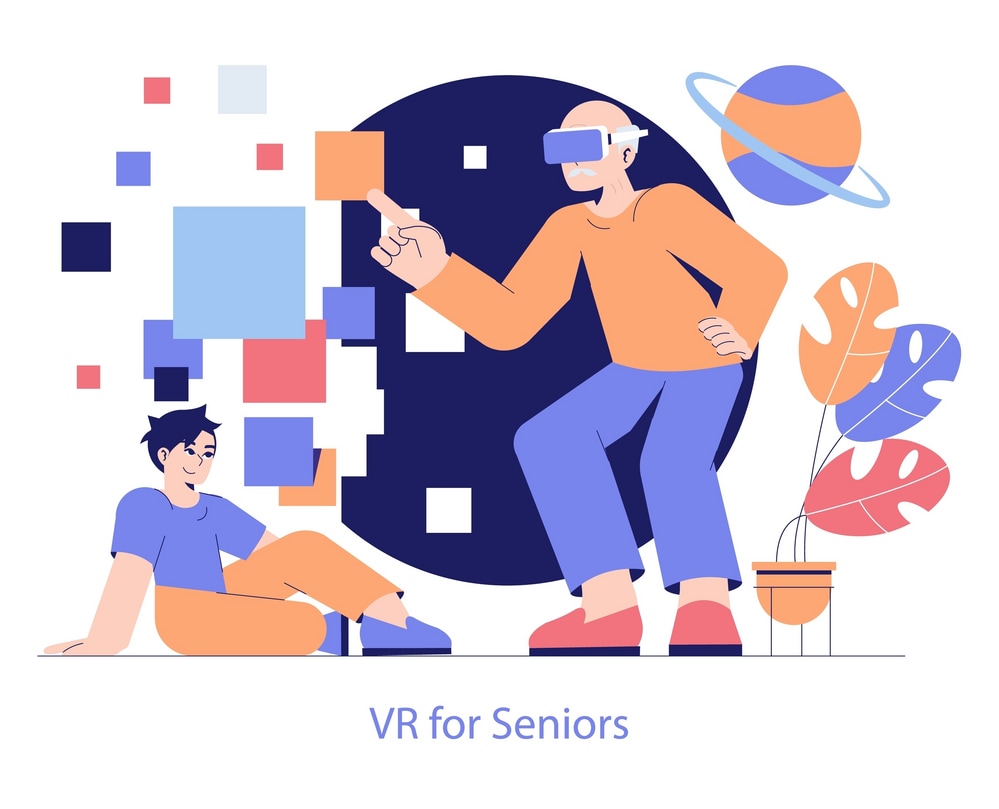
By 2050, more than 2 billion people will be over the age of 60. This global shift won’t just touch healthcare or housing—it will reshape every industry. It also opens up a powerful opportunity: to design better tools that support longer, more connected lives.
Today’s technology often falls short for older adults. Fonts are hard to read. Interfaces are cluttered. Many apps assume everyone can move, see, and hear in the same way. But as we age, our needs evolve—and most design hasn’t evolved with us.
To move forward, we need to build technology that’s intuitive and inclusive. That begins with understanding how aging changes the way people engage with digital tools.
What to Consider When Designing
Vision often declines with age. Small fonts and low-contrast color schemes become harder to navigate. Hearing loss can make alerts and audio cues less effective, so those signals need visual companions. Motor control may slow down, too, which makes small buttons or swipe gestures frustrating instead of helpful.
Cognitive shifts matter as well. Some users may have difficulty remembering steps or managing complex sequences. That’s why digital experiences should feel calm, focused, and easy to follow.
Emotional and Social Barriers
Technology doesn’t just need to function—it needs to feel approachable. For some older adults, using new tech can spark anxiety. The interface might seem too complicated. They might worry about making a mistake. And unlike younger users, they may not have someone nearby to walk them through it.
Thoughtful design eases those fears. Interfaces should welcome users in, not lock them out. Instructions should show up when they’re needed, written in clear, conversational language. Onboarding should feel less like a tutorial and more like a conversation.
Why Co-Design Is Essential
The best way to make digital products more age-inclusive is to invite older adults into the design process. Co-design means collaborating with real users from the start—testing ideas, gathering feedback, and making changes based on their experiences.
This approach surfaces issues early and leads to smarter solutions. Small tweaks—like larger tap areas or more intuitive icons—can completely change someone’s experience. Often, these changes benefit everyone, not just older users.
Features That Make a Difference
Inclusive design is built to flex. It adapts to different users, different abilities, and different environments. Some features that consistently help:
- Adjustable font sizes
- Clear, readable icons and labels
- Voice input for those who prefer speaking over typing
- Feedback that’s visible, audible, or tactile (think checkmarks, sounds, or small vibrations)
- Easily accessible undo and back functions
These aren’t bonus features. They should be standard -- baked into the product from the very beginning.
Support That Extends Beyond the Interface Even the best-designed tools need a little support. That might be a short tip that appears when someone hesitates, a help button right next to a complex step, or programs in community spaces like libraries. Peer support can also go a long way -- like intergenerational training where young people guide older adults through new tech.
The goal isn’t just usability, it’s confidence. When people feel capable, they use tools more often, more independently, and more meaningfully.
Designing for Everyone’s Future
As the population ages, these considerations will shift from niche to necessary. Companies that take the lead will not only gain loyal users—they’ll discover fresh insights and entirely new markets.
Designing for aging isn’t a one-off initiative. It’s good design, full stop. It helps people stay informed, independent, and connected. And it reflects what innovation should always aim to do: make life better for real people, at every age.
For more industry insights, check out Trend Hunter's free 2025 Trend Report.