Gen Z Drinks Smarter
Related Trend Reports
Drinking
Gen Z Isn’t Drinking Less. They’re Drinking Differently.
The generation once expected to kill alcohol is quietly rewriting the rules of drinking culture. For the last several years, one of the most persistent narratives surrounding Gen Z has been that they don’t drink. Instead, they’re sober curious, health-conscious, swapping bars for run clubs, and worrying about what a night out might feel like the next morning.
There was just one problem with that narrative: Gen Z actually likes drinking. New data from IWSR suggests that 74% of legal-drinking-age Gen Z consumers across 15 major markets have consumed alcohol, up from 66% three years ago. That puts them remarkably close to the 76% participation rate of the overall adult population.
When we look at Gen Z today, it’s less about whether this generation drinks, and more about how they drink.
Moderation Doesn’t Mean Abstinence
One of the biggest mistakes brands make when analyzing generational shifts is confusing a change in behavior with the disappearance of a behavior. Gen Z is still unusually moderation-conscious. But moderation doesn’t necessarily mean sobriety; increasingly, it means optimization.
Gen Z wants to have fun tonight without sacrificing tomorrow. They want the social experience of drinking without automatically signing up for the brutal hangover, enormous bar tab and lost Sunday that previous generations accepted as part of the deal.
That creates a fascinating tension: Drink enough to feel it. Don’t drink so much that you regret it. This tension is beginning to reshape the products winning their attention.
Welcome to High-Impact Value Drinking
At Trend Hunter, we’ve been tracking a shift we’re calling Drinking Disrupted. At the heart of the trend is a surprisingly practical calculation: What delivers the experience I want at a price I can afford?
For younger consumers facing expensive rent, food, transportation, and entertainment, a night of $15 or $20 cocktails can quickly become financially ridiculous. But that doesn’t mean the night out disappears; instead, the economics of the night change.
The pre-game becomes more important. Ready-to-drink cocktails become more attractive. Higher-ABV formats offer greater perceived value. Portable cocktails and mixable formats allow consumers to control both their spending and consumption before ever entering a venue. Gen Z isn’t necessarily abandoning nightlife; they’re redesigning the unit economics of nightlife.
The Pre-Game Is Becoming the Product
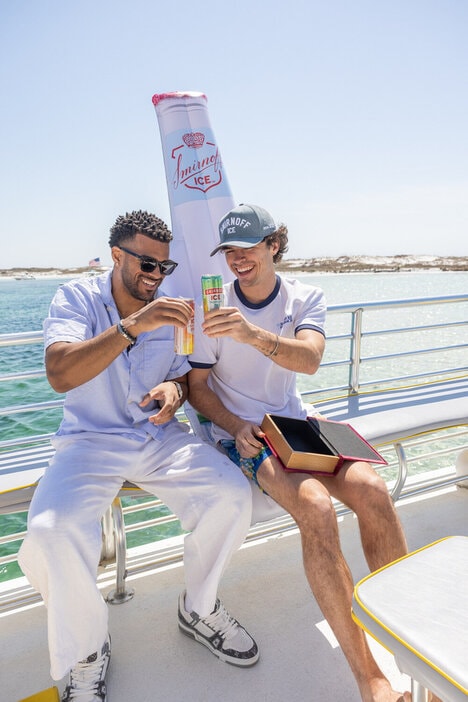
For previous generations, pre-drinking was often just the cheap part before the “real” night began. For Gen Z, brands are increasingly turning it into an experience of its own. We’re seeing canned cocktails with sophisticated flavor profiles, mixable minis, group-oriented variety packs, and viral cocktail formats. These aren’t simply inexpensive substitutes for cocktails. They’re becoming part of the ritual.
Gen Z remains an intensely social drinking generation. IWSR found that 18% reported being with five or more people during their last drinking occasion, the highest percentage of any generation. Cocktails are particularly important: 84% of Gen Z drinkers surveyed had consumed cocktails within the previous six months. The opportunity, therefore, isn’t merely to put more alcohol into a smaller package, but rather to design products around how the night actually happens.
Cheap Doesn’t Have to Feel Cheap
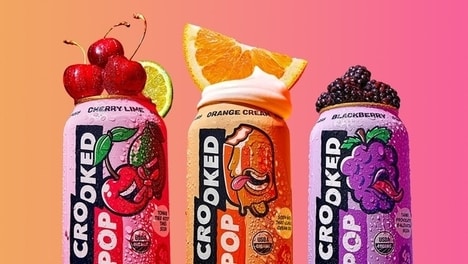
Gen Z wants value, but they don’t necessarily want products that look like value products. Historically, high-ABV canned drinks and inexpensive single-serve alcohol have carried certain stereotypes. They were functional rather than aspirational, but that’s changing with a new generation of ready-to-drink products - combining effectiveness with premium cues: better branding, unexpected flavors, cocktail credibility, and highly shareable packaging. Consumers can spend less without feeling like they’re trading down.
This fits into a much broader behavioral shift. Younger consumers are increasingly willing to hack traditional experiences when the economics stop making sense, while still expecting the emotional payoff of the original experience. Value is no longer about sacrifice; it’s about ingenuity.
The Hangover Is Becoming a Design Problem
Cost, however, is only half of the story. The other currency Gen Z is protecting is tomorrow.
“Hangxiety” has entered the cultural vocabulary for a reason. Younger consumers are increasingly conscious of sleep, wellbeing, productivity and the physiological impact of alcohol. That doesn’t necessarily push them toward abstinence. Instead, we’re seeing more deliberate forms of moderation emerge, including “zebra-striping” — alternating between alcoholic and non-alcoholic drinks throughout an occasion. It’s a useful metaphor for how Gen Z approaches drinking more broadly. Moderation is becoming less about an all-or-nothing choice between drinking and sobriety, and more about actively managing the experience.
The same selectivity shows up in what they drink. Earlier IWSR research found that Gen Z’s average number of alcohol categories consumed per occasion declined from 2.8 to 1.8 over two years. So even as participation rises, younger consumers are becoming more intentional about what (and how much) they consume. That creates an innovation opportunity; brands should focus on delivering maximum experiences per occasion: better flavor, better value, greater control, and fewer consequences tomorrow.
Gen Z Is Optimizing Drinking Culture
The emerging Gen Z alcohol consumer exposes a bigger lesson: stop designing around binary assumptions. Gen Z can be health-conscious and drink alcohol. They can seek premium flavors and be extremely price sensitive. They can moderate consumption and prefer high-ABV products. They can spend less at the bar without giving up nightlife. Those contradictions aren’t noise in the data; they’re the opportunity.
For brands, the takeaway is to design for greater control: products that let consumers choose their level of indulgence, maximize value without sacrificing experience, and move more fluidly between drinking, moderating, and abstaining throughout an occasion. That could mean more flexible formats, elevated high-value offerings, better non-alcoholic options, or products designed specifically around the pre-game and social rituals surrounding drinking.
The opportunity isn’t necessarily to get Gen Z to drink more. It’s to help them drink on their own terms.
Gen Z hasn’t killed drinking culture. They’re optimizing it, and brands should optimize alongside them.
Featured Articles