The New Economics of Treat Culture
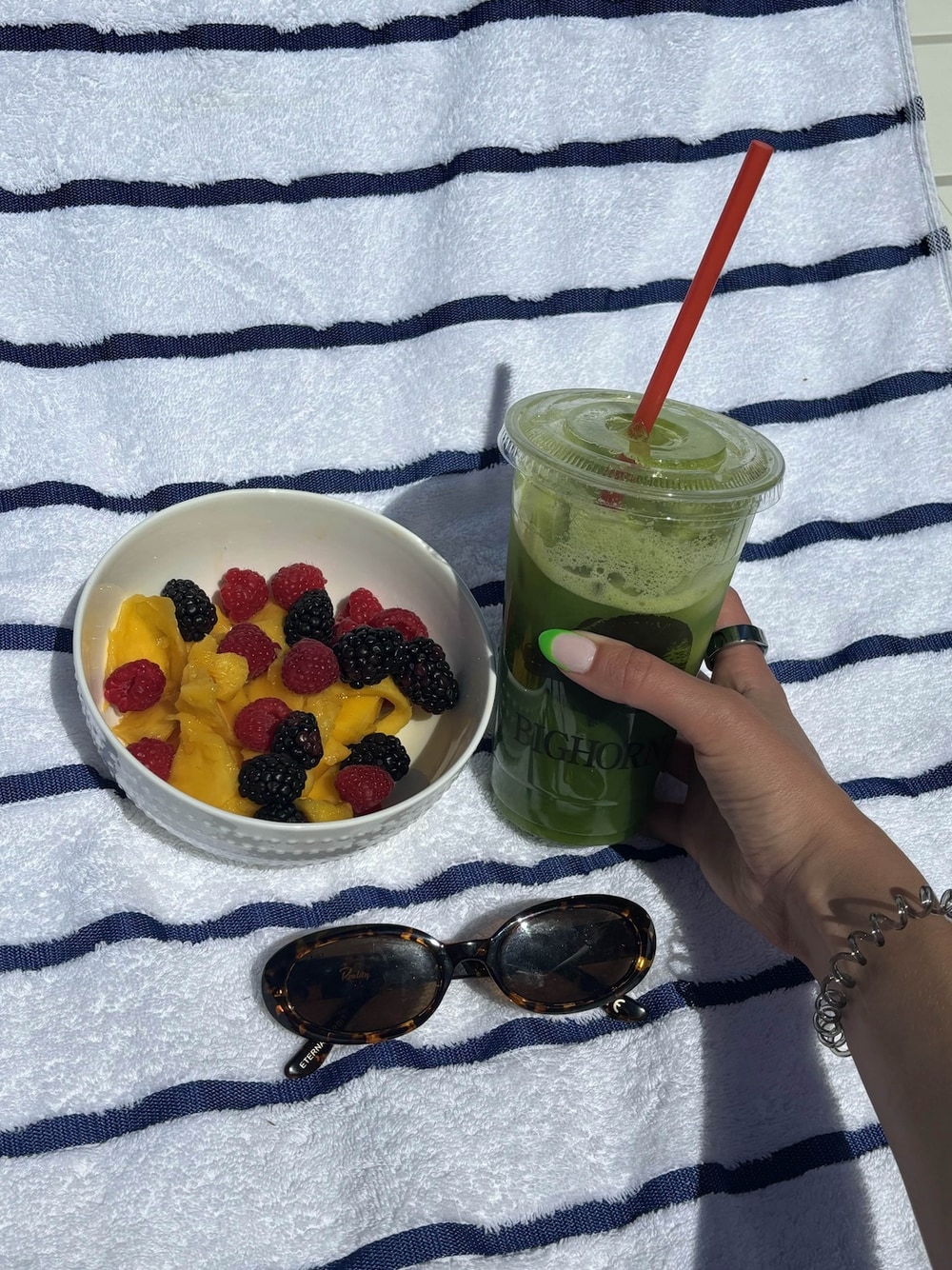
Somewhere between the $20 smoothie, the protein-packed candy bar, and the probiotic soda that claims to “support your emotional wellness,” a new category quietly emerged: Functional Indulgence.
If “little treat culture” was the spark, functional indulgence is the wildfire. Gen Z didn’t invent treating yourself, but they absolutely industrialized it. According to Fortune, 57% of Gen Z buys themselves a treat at least once a week, often for accomplishments like “getting out of bed” or “surviving capitalism for one more morning.” Nearly 60% admit they overspend—but there’s logic to it. If the big financial goals are on pause, a small daily comfort starts to feel like a reasonable trade-off.
A new reality is sinking in for brands: consumers didn’t stop indulging. They just want their indulgence to come with a side of probiotics, protein, or plausible deniability.
Why the $20 Smoothie Suddenly Makes Sense
Little treat culture didn’t appear out of nowhere. Millennials were the first to admit the housing market wasn’t happening and redirected their spending toward “aspirational basics,” think monochromatic premium luggage, silk pillowcases, and skincare that feels like a small investment.
Then prices went up. Everything went up. Suddenly, even aspirational basics felt out of reach… which is how we ended up here, in an era where the treat got even smaller, but more meaningful.
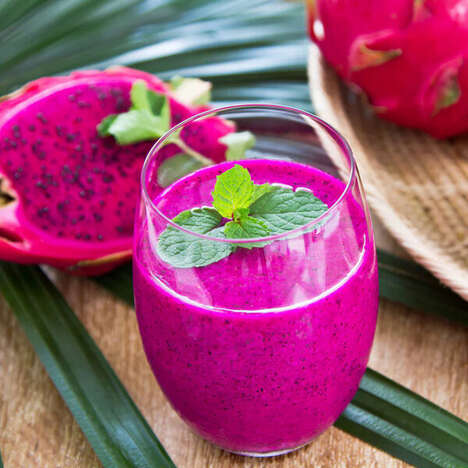
Enter Erewhon, the luxury grocery store that asks: What if a smoothie was both your daily joy and your personality? The limited-edition, influencer-designed $20 smoothies are less beverage and more cultural artifact; tiny moments people plan their day around.
The Indulgence-Health Hybrid Era Has Arrived
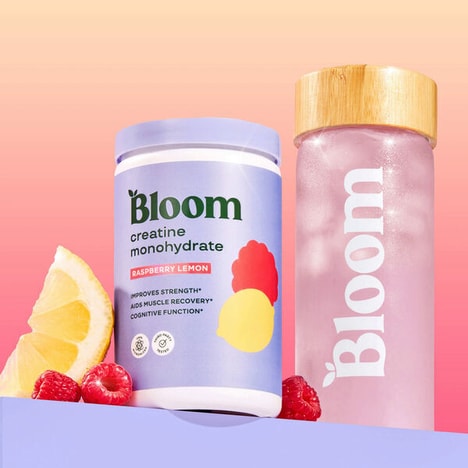
Here’s where it gets interesting. Treats are no longer the nutritional villain. The new wave of indulgent innovation says: what if the thing you crave could also be the thing that helps you?
1. High-Protein Takes on Nostalgia
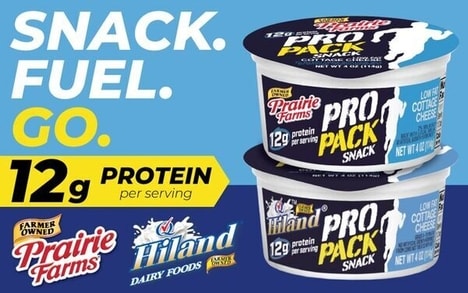
Legacy brands like Nestlé and Mars are updating their most recognizable treats with a functional edge. High-protein chocolate milks, fortified candy bars, and boosted versions of childhood flavors are showing up as everyday options for people who want something familiar that still feels aligned with their current routines.
Protein has become shorthand for “better choice,” giving classic treats permission to stay in the rotation with a slightly more intentional frame.
2. Gut Health With Cultural Momentum
Gut-friendly sodas have evolved into one of the most culturally resonant beverage categories. Poppi, Olipop, and others tap into nostalgic flavors—cream soda, root beer, cherry cola—while layering in benefits that align with modern wellness expectations. But taste isn’t the only reason they’ve taken off.
These drinks have become small rituals. It’s not just about probiotics; it’s about a drink that feels good, looks good, and fits comfortably between enjoyment and intention.
3. Plant-Based as a Gentler Default
Plant-based and dairy-free options are becoming everyday choices not because of ideology but because they’re easier on the body. For a generation navigating food sensitivities, acne triggers, and unpredictable gut reactions, plant-based alternatives feel like a safer baseline in a food environment full of variables.
This shift isn’t about adopting a plant-based identity but instead avoiding discomfort later. Brands leaning into simplified formulations, dairy-free bases, and cleaner ingredient lists are meeting consumers who want enjoyment without uncertainty. In this moment, plant-based is less a statement and more a practical tool for feeling better day to day.
4. Mocktails Go Mainstream
Even the nightcap is getting a wellness makeover. Mocktails and “sleepy girl cocktails” are turning bedtime into a curated ritual—equal parts self-soothing, sensory delight, and Instagram aesthetic. What used to be a moment defined by alcohol is now an opportunity for relaxation without the consequences. These drinks promise calm, sleep support, or a moment of decompression, blending indulgence with intention in the same way probiotic sodas and protein-packed treats do.
As consumers prioritize wellness without sacrificing pleasure, they’re seeking beverages that deliver on multiple levels: they should taste good, feel soothing, look appealing, and offer at least a hint of benefit.
Why This Matters for Brands
Functional indulgence is not a trend, but rather a coping mechanism. It’s the cultural response to burnout, instability, and the slow erosion of big-ticket milestones. When life gets more expensive, the treat gets smaller—but the expectations get higher.
Consumers want the joy and the justification.
Brands that win in this landscape will design for micro-moments of pleasure with macro-signals of health. They’ll create products people plan their day around—tiny rituals that feel like wellness, fun, and a small rebellion against the grind.
The playbook is already emerging:
- Make the product a “moment”
- Engineer packaging that does all the ritual-building heavy lifting
- Innovate fast, drop newness often, and treat flavor like fashion
- Normalize small pleasures and validate everyday self-care
Because if the housing market created the $20 smoothie, then the next decade of food innovation hinges on a simple truth: functional indulgence has become emotional infrastructure. These products are not only nutritious, but they pace the day, manage stress, and create small pockets of ease.
The brands that win will be the ones that understand the specific roles these micro-rituals now play in people’s lives, and build for them accordingly.
For more industry insights on what's shaping brand strategy in 2026, download our Top 100 Trends Report.